
Freshness, explained: from roast date to the last cup
Why the roast date matters more than the best-before date, and how to keep beans at their peak once they arrive.
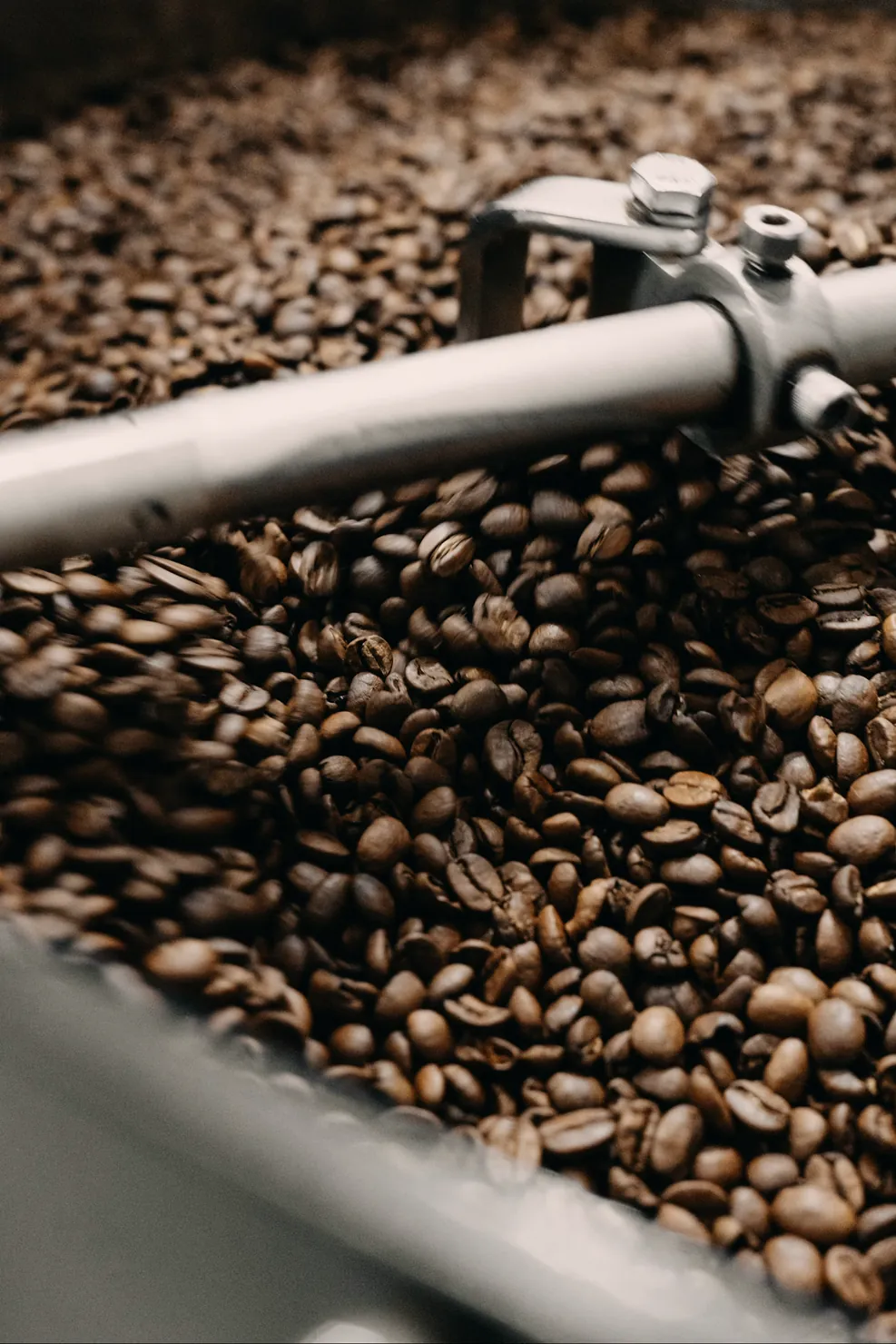
Coffee is a fresh product. The moment a bean leaves the roaster, it begins to change: aromatic compounds escape, oils meet oxygen, and the flavour the roaster worked to capture slowly fades. Understanding that curve is the simplest way to improve every cup you serve.
Rest before you brew
Freshly roasted coffee releases carbon dioxide for several days. Brewed too soon, it can taste sharp and produce an unstable crema. A short rest lets the beans settle, which is why we plan deliveries so that coffee arrives ready to use rather than straight off the roaster.
The window that matters
After resting, beans enter their best weeks. This is where a delivery rhythm becomes more important than a large order: smaller, regular deliveries keep every bag inside that window, instead of a stockroom full of coffee slowly going flat.
How to store beans at the office
- Keep them sealed. Close the bag or move beans to an airtight, opaque container.
- Cool, dark and dry. Away from the machine's heat, windows and the kettle.
- Not in the fridge. Moisture and food odours do more harm than good.
- Fill the hopper for the day. Beans left in an open hopper overnight lose their brightness first.
Grind at the last moment
Ground coffee loses its aroma in minutes rather than weeks. Whole beans, ground just before brewing, are the single biggest step towards a better cup, and the reason every MONTARA program is built around beans.
Freshness is not a feature of the bag. It is a habit of the whole chain, from roaster to cup.